Institut Predictive Deep Learning for Medicine and Healthcare
-
Wellcome to the Institut for Predictive Deep Learning for Medicine and Healthcare
The institute for Predictive Deep Learning for Medicine and Healthcare (PredLMed) at the Justus-Liebig-University is dedicated to developing machine learning and deep learning algorithms to advance systems medicine for analyzing multi-modal biomedical data and the critical transfer of such technologies into clinical practice. The group focuses particularly on the integrative analysis of multi-modal medical data, such as electronic patient records, molecular data such as gene and protein expression, and medical imaging data to support disease prediction and therapy optimization. ML technologies have been applied successfully in numerous health research domains, such as oncology, psychiatry, and cardiology. However, several challenges persist, impeding the translation of these advances into research and practice. Specifically, limited sample sizes, data privacy, and systematic biases within individual patient cohorts contribute to data scarcity and heterogeneity in medical registries and biomedical data. Additionally, the lack of interpretable and reliable predictions undermines trust in otherwise highly accurate models.
Therefore, the PredLMed group aims to address these challenges through employing and developing novel computational architectures and algorithms, including transfer learning and foundation models to overcome data integration issues and accommodate small sample sizes, online and time-critical event prediction, federated learning for secure integration of distributed medical datasets and resources, as well as the use of explainable artificial intelligence methods to increase user trust by enhancing model and prediction reliability and interpretability

- Contact Home
-
Institute
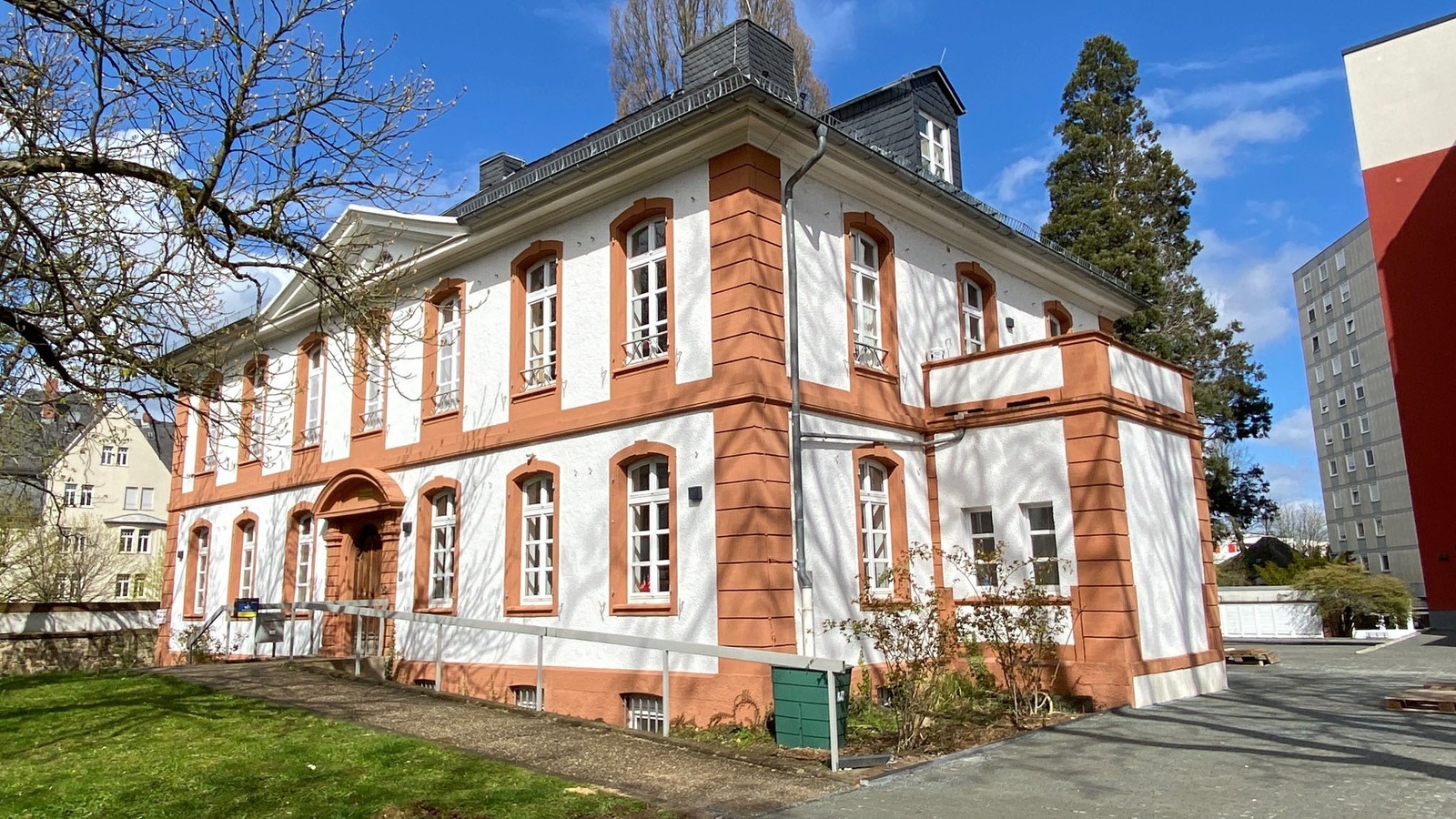
Friedrichstrasse 25
35392 Giessen
Phone (Office):
0641 985-42531
0641 99-46702Office hours: 8:30 – 16:00
info.predlmed
studium.predlmed
-
Jobs/
Open Positions




- News
-
GMDS-Academy 2027 – Join us for four days of Learning, Exchange & Community
-
Today I had the pleasure of speaking at the 21. Nationale Branchenkonferenz Gesundheitswirtschaft 2026 in the AI-Enabled Health session, where I presented on "Explainable AI in Medicine".
-
We attended this year's EFMI-conference MIE2026 in Genoa, hosting workshops on Federated Learning, Explainable AI, and the AI Thrust.
-
Our Team Miriam Cindy Maurer, Tabea Steinbrinker, Philip Zaschke, Kristin Steinhaus, Dagmar Krefting and Anne-Christin Hauschild is pleased to announce our workshop: Exploring Explainable Artificial Intelligence Methods on Biosignals, which will be presented at MIE 2026.
-
Postdoc position, 3 years fixed contract We are looking for a highly motivated and enthusiastic scientist with an interest in working with emerging model systems and conducting bioinformatics analyses of transcriptomic data for the reconstruction of GRNs and their evolutionary comparison. Join our team!
- photo editing: JLU/Anna Sposato; unedited original photo “Institute”: Anna Sposato; unedited original photo “Contact PredLMed”: colourbox.de; unedited original photo “Classes”: JLU/Katrina Friese; unedited original image “News”: AI‑generated with Adobe Firefly;