News 2023
Non-target hazard analysis
Interview mit Guido Deußing zu Weil Du bist, was Du isst – Genotoxine sicher und effizient in Nahrungsmitteln bestimmen, Laborpraxis 7–8/2023. Ein weiterer Beitrag erscheint in der GIT-Labor-Fachzeitschrift Ausgabe 10/23 und auch online unter Wiley Analytical Science Non-target screening of complex samples for hazards – see also the LinkedIN-Post!
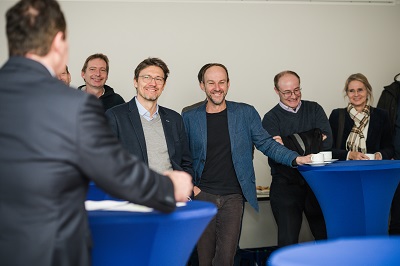
10 Excursions to industries
Related to our 3 quality management modules, we visited, among several other enterprises, the Licher brewery and were impressed by their professionalism! Special thanks to Mr. Höcher!
Basic food and tax remission
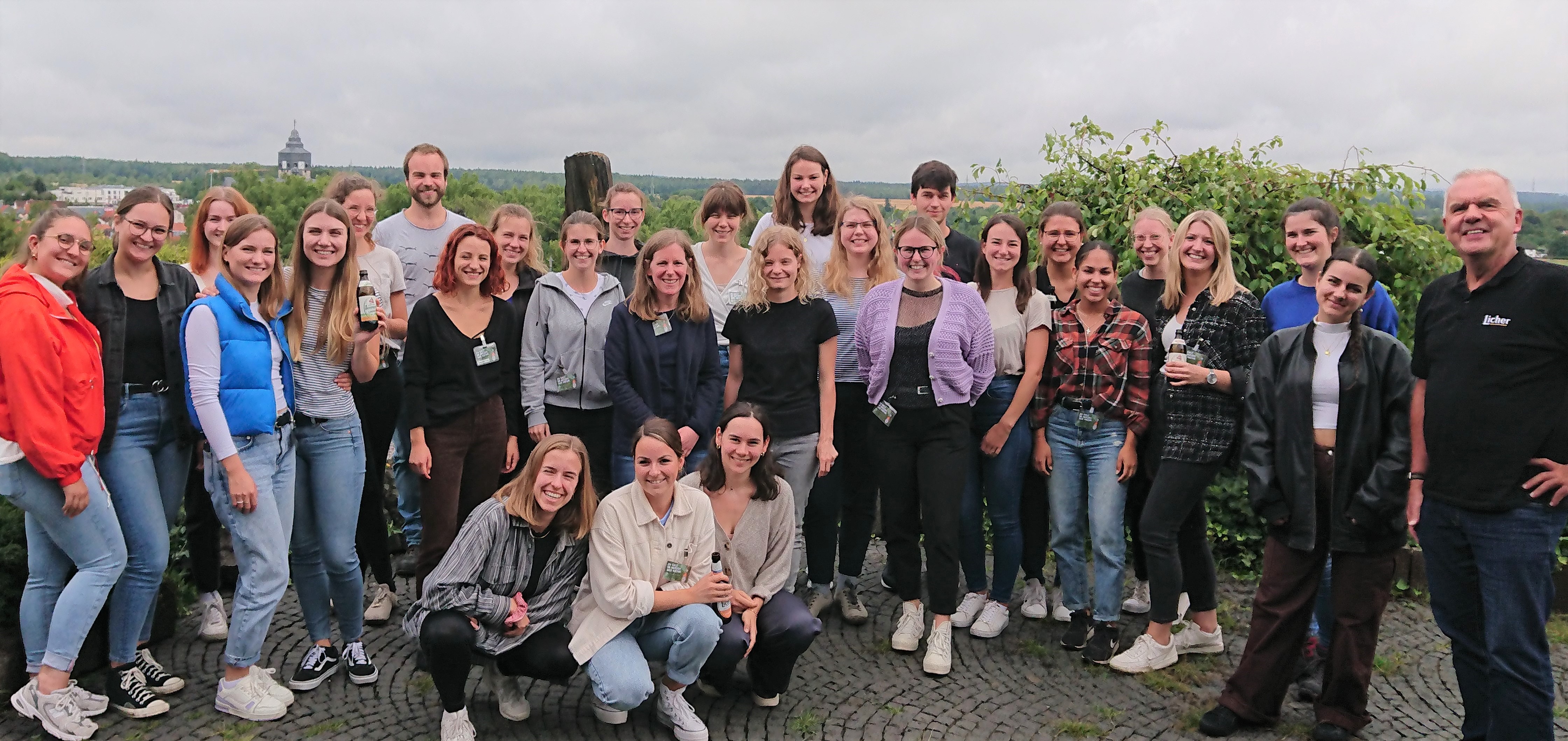
It's an idea from politics - and it's appealing: 0 percent VAT on basic foodstuffs. But how much will the proposal really bring? It is explained what staple foods actually are in an interview (1:05-1:45 and 4:37-5:03 min) by the Hessian TV hr mex, the market magazine, from 08/16/2023.
PhD defense on planar genotoxicity bioassay
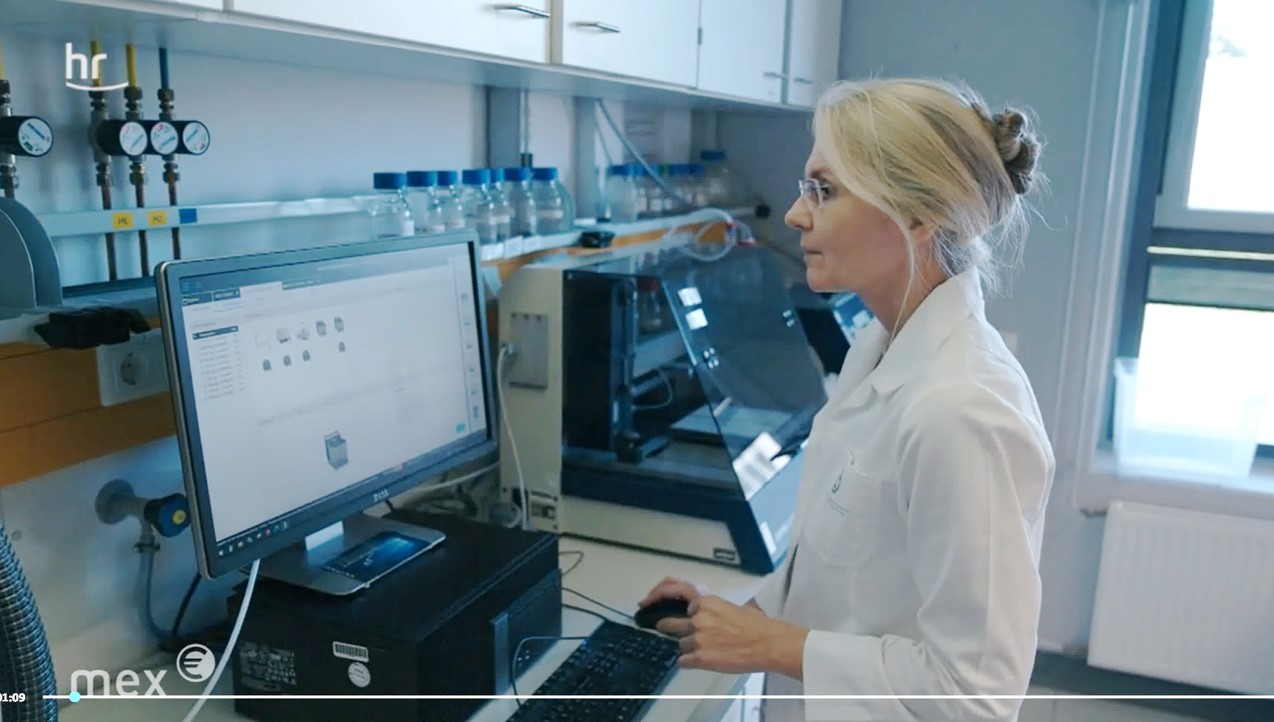
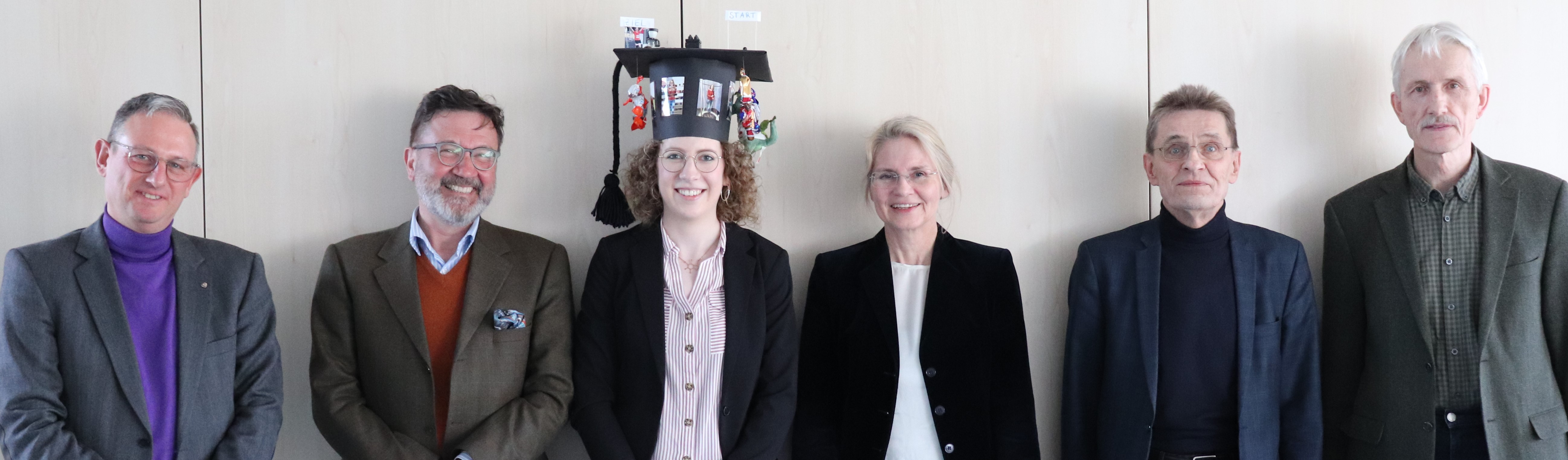
As the fourth PhD student, Daniel Meyer defended his cumulative dissertation on Development of Methods for Effect-Directed Detection and Quantification of Genotoxins and Endocrine Disrupting Chemicals in Complex Matrices in June!
Detecting hazardous compounds in food as well as in food contact materials is a highly important task. However, the current non-target screening strategies using in vitro or microtiter plate assays are not sensitive enough. Particularly, the crucial detection of traces of potent genotoxins or endocrine-disrupting compounds is influenced by solvent or matrix effects, which unfortunately increase the detection limits and lead to false-negative results. Daniel´s PhD study focused on the development and validation of a planar version of the existing SOS-Umu-C microtiter plate assay, including S9 liver enzyme metabolisation, for the detection of highly potent genotoxins at trace levels in complex matrices. He also newly applied the existing triplex planar antagonist estrogen/androgen screen bioassay (pYAVES/pYAVAS) for the detection of endocrine disrupting compounds (EDCs) in food contact materials and validated it. The planar bioassay methods are applicable in both routine and research settings and can be utilized for a wide range of applications. Since these methods provide information on the potency and toxicity assessment (EC50, IC50, TD50, etc.) of chemicals, they could be used in the future for risk assessment and approval procedures of chemicals under REACH, contributing to improved product safety while saving time and costs.
Our very tough and very thoughtful woman and lifelong fighter for women's rights passed away unexpectedly. Her life's work was dedicated to the endless sharing of knowledge about HPTLC and observing the peculiarities of the human species, and she wrote books about both. Her opinion and point of view carried weight - she had relentlessly always gotten to the heart of the matter. It is a great honor to have known her and to have had her in our midst, even though she left us much too soon at the age of 76. We will remember her very fondly. She will forever remain in our hearts (and thus on earth).

HPLC 2023
18 oral presentations this year, one at HPLC 2023 in Düsseldorf:
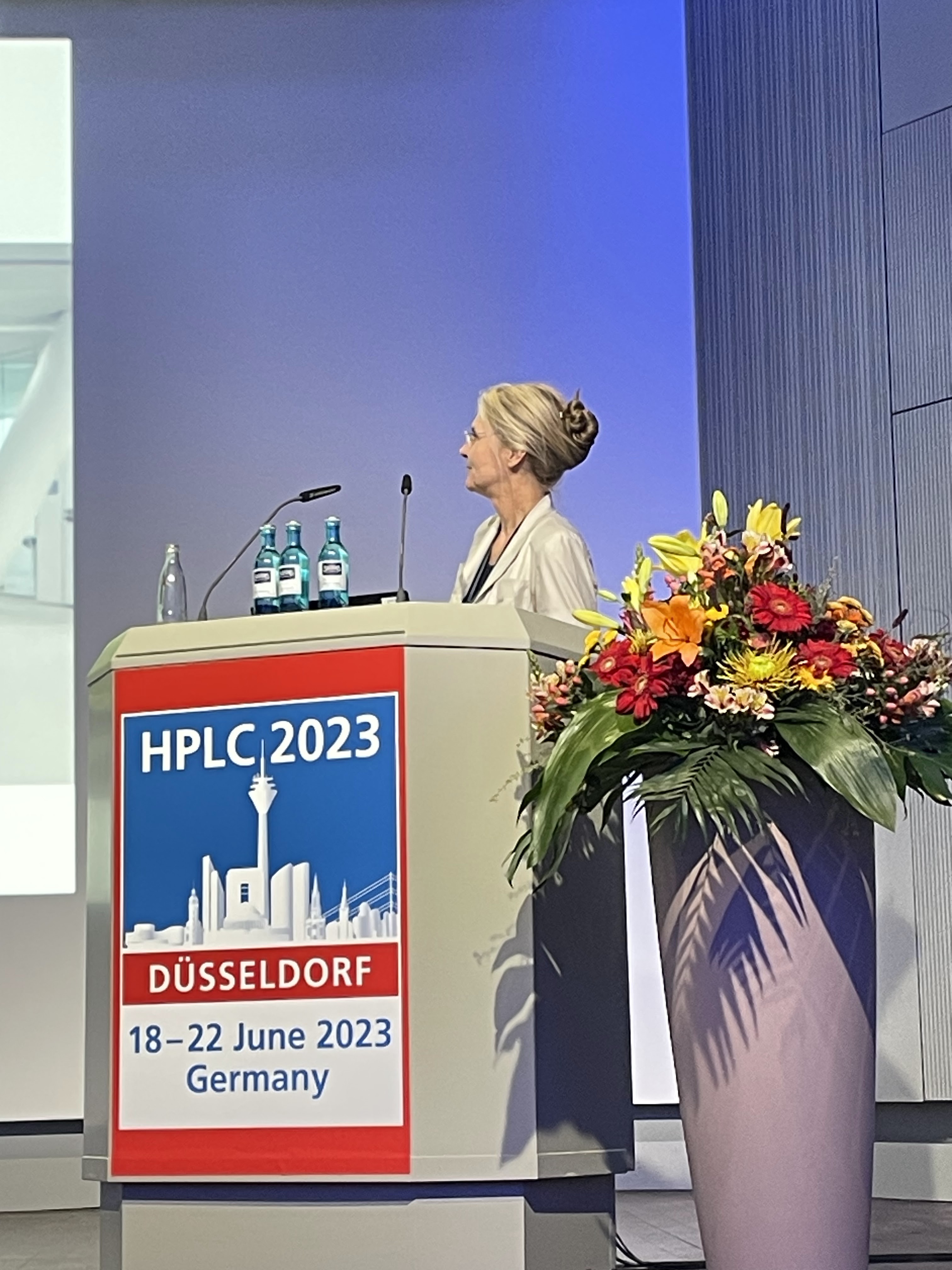
At the beginning of his invited lecture at HPLC 2023, Dr. Thorsten Teutenberg, IUTA, Dortmund, Germany, searched for me in the auditorium and mentioned that first our research work, my lecture at IUTA, and several discussions with him inspired him to go in the direction of laboratory miniaturization and automation some years ago. I was amazed at how clearly he acknowledged this inspiration, which is not so common among scientists. Thank you so much for this great compliment!
Also at HPLC 2023, my Session Chair, Professor Ian Wilson, Imperial College London, honored my lecture as outstanding. Thank youuuu!! After the start of the following lecture, a somewhat exciting situation, Ian left his Chair position and went to my row, taking a seat next to me for some words on a sparkling idea that came up, and then went back to his Chair position. @Ian: Yes, we can fry fries in the 2LabsToGo system as the 8th functionality of the multi-functional plate holder.
Also, thanks to Dr. Agnes Moricz, Hungarian Academy of Science, Budapest, Hungary, who, looking at me, thankfully honored the inspiration and training at the end of her lecture at ISC 2022 in Budapest! She had had several research stays here to learn more about bioassays and HRMS coupling. A very special situation was also with Dr. Stefan Böhmdörfer, BOKU, Vienna, Austria, and Dr. Ajaj Gupta, Food Safety and Standards Authority, New Delhi, India, who both turned their body and faces at the end of their presentations at HPTLC 2017 in my direction and acknowledged very clearly the inspiration by our research work for their own. Thank you all for your honesty!
Not to forget to mention that at MSB 2017, Noordwijkerhout, The Netherlands, the Session Chair Professor Gert Desmet, University of Brussels, Belgium, announced my lecture on 3D-print of planar separation media with a winking smile "... she knows how to make HPTLC sexy." It was a very special (unique) introduction.
The spark of passion for work! Unforgettable.
Announcement of the 2LabToGo workshop 2024 started at the 13th Balaton Symposium on High-Performance Separation Methods, Siofok, Hungary, in September 2023...

PhD defense on high-sophisticated hyphenated HPTLC for veterinary drug screening
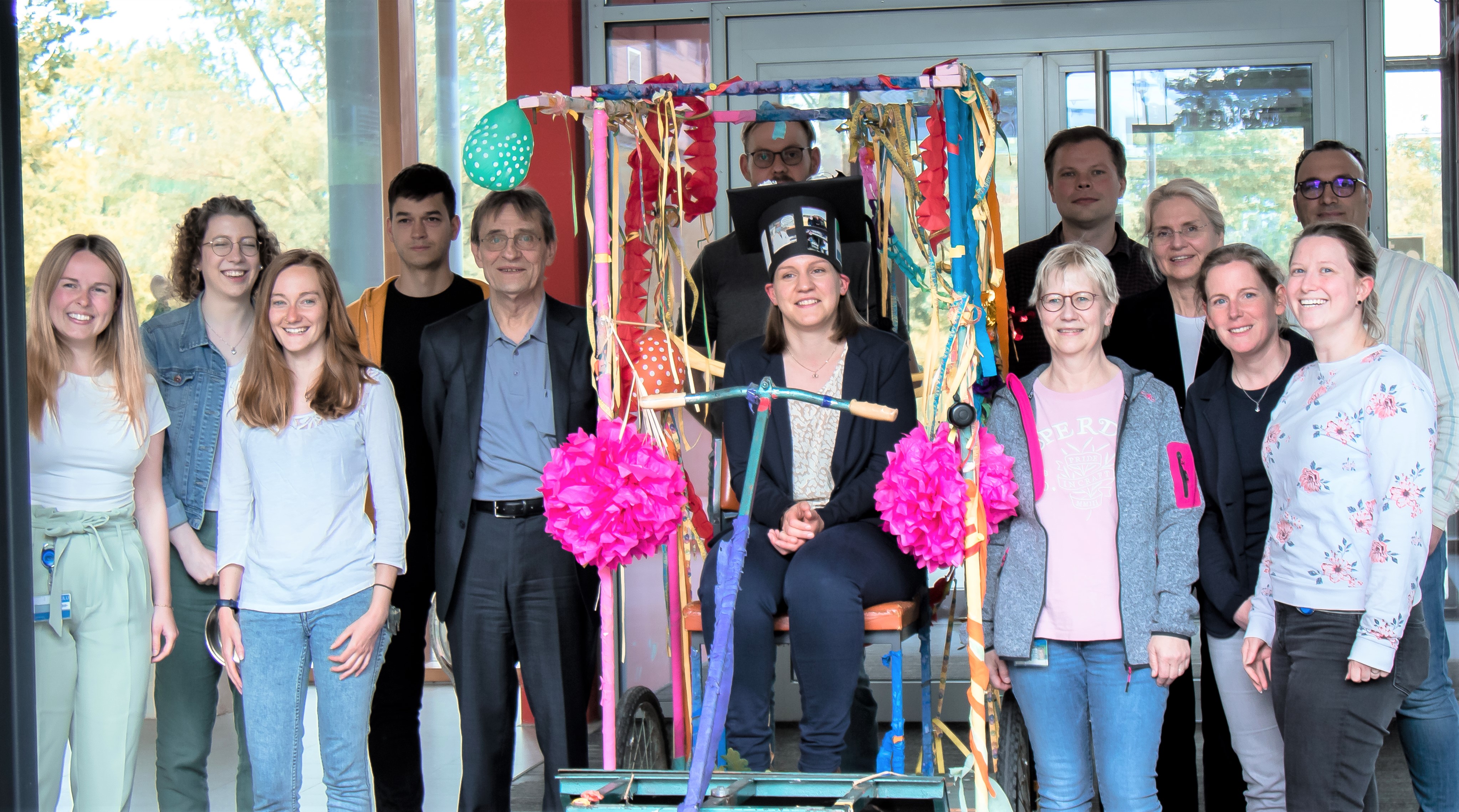
As the third PhD student, Annabel Mehl brilliantly defended her cumulative dissertation on Screening of multi-class veterinary drugs in animal-derived food using hyphenated high-performance thin-layer chromatography techniques in May!
It is important to constantly rethink prevailing analytical strategies, to break up encrusted structures, or to develop new (better) strategies. In the field of food analysis, one often concentrates on known target substances due to the complexity of the samples. However, in such methods of target substance analysis, the majority of compounds remain unaccounted for. At present, food safety does not check whether these substances pose a risk. Residue analysis is such a blinkered field. It is because this field of trace analysis only looks for selected regulated target substances. However, depending on the environment in the widely varying food matrices and manufacturing/treatment processes, unknown degradation products and metabolites may be generated. Contamination can also occur. Annabel showed that a more powerful strategy makes the current analysis faster and less expensive, and could contribute to a better understanding of previously overlooked effects emanating from food.
Disruptive thinking

Analytical results are the basis on which we make calculations and decisions, perform risk assessments, give recommendations, and identify problems. But what if our analytical tools aren’t efficient enough to protect us?
und auch auf weiteren Internetseiten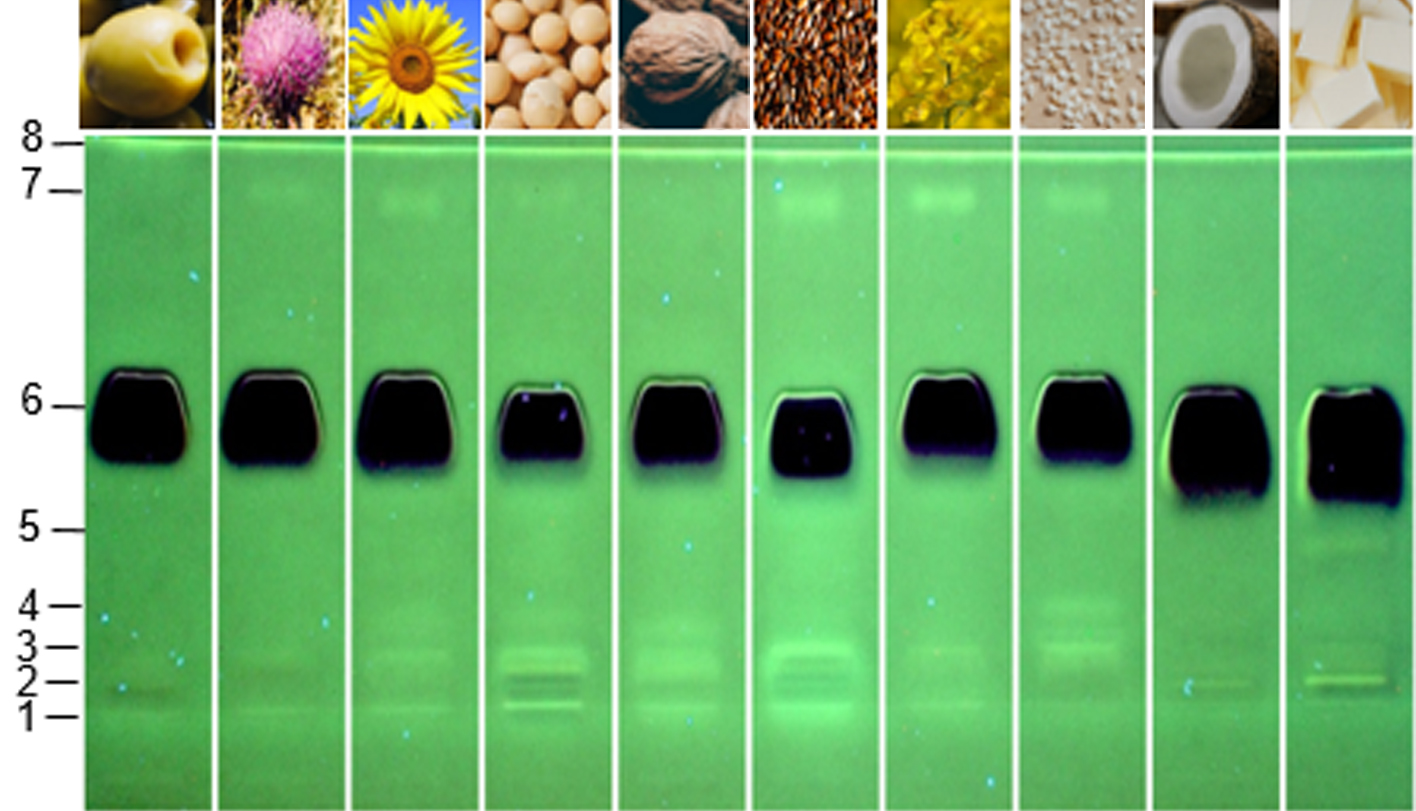
Erasmus cooperation with the University of Modena
Organized by Professor Federica Pellati, Italian pharmacy students join our group to learn more about effect-directed analysis. As the sixth student, Isabella Stronati joined our team for 7 months. It was a pleasure!

PhD defense on 12D-hyphenated HPTLC for screening of botanicals
As the second PhD student, Tamara Schreiner brilliantly defended her cumulative dissertation on Non-target screening of emerging bioactive and hazardous compounds in complex matrices via multi-hyphenated techniques in March!
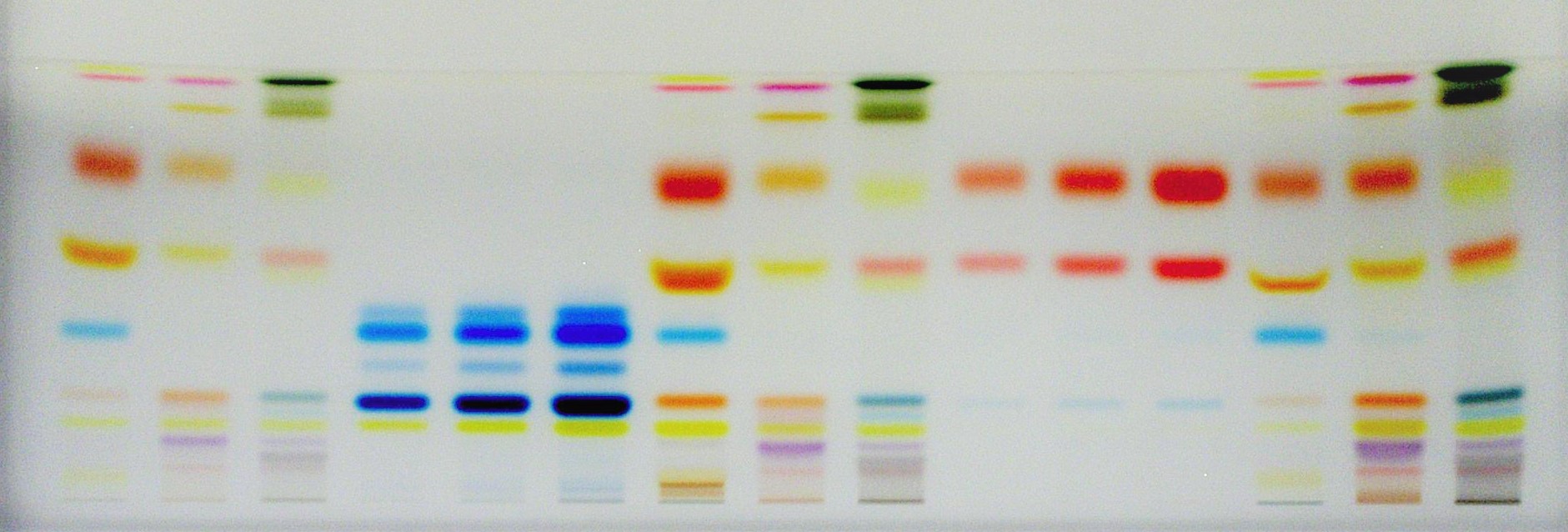
The developed 8D to 12D hyphenated non-target screening strategies proved to be an excellent analytical tool for the characterization of new bioactive compounds from complex samples. The more information that can be obtained in an analysis, the more accurately an unknown bioactive compound (= most important among the thousands of compounds present in a complex sample) can be characterized. The newly developed multidimensional workflows are applicable in both routine and research settings. They substantially complement current food analysis and are likely to significantly advance food safety and improve consumer safety.


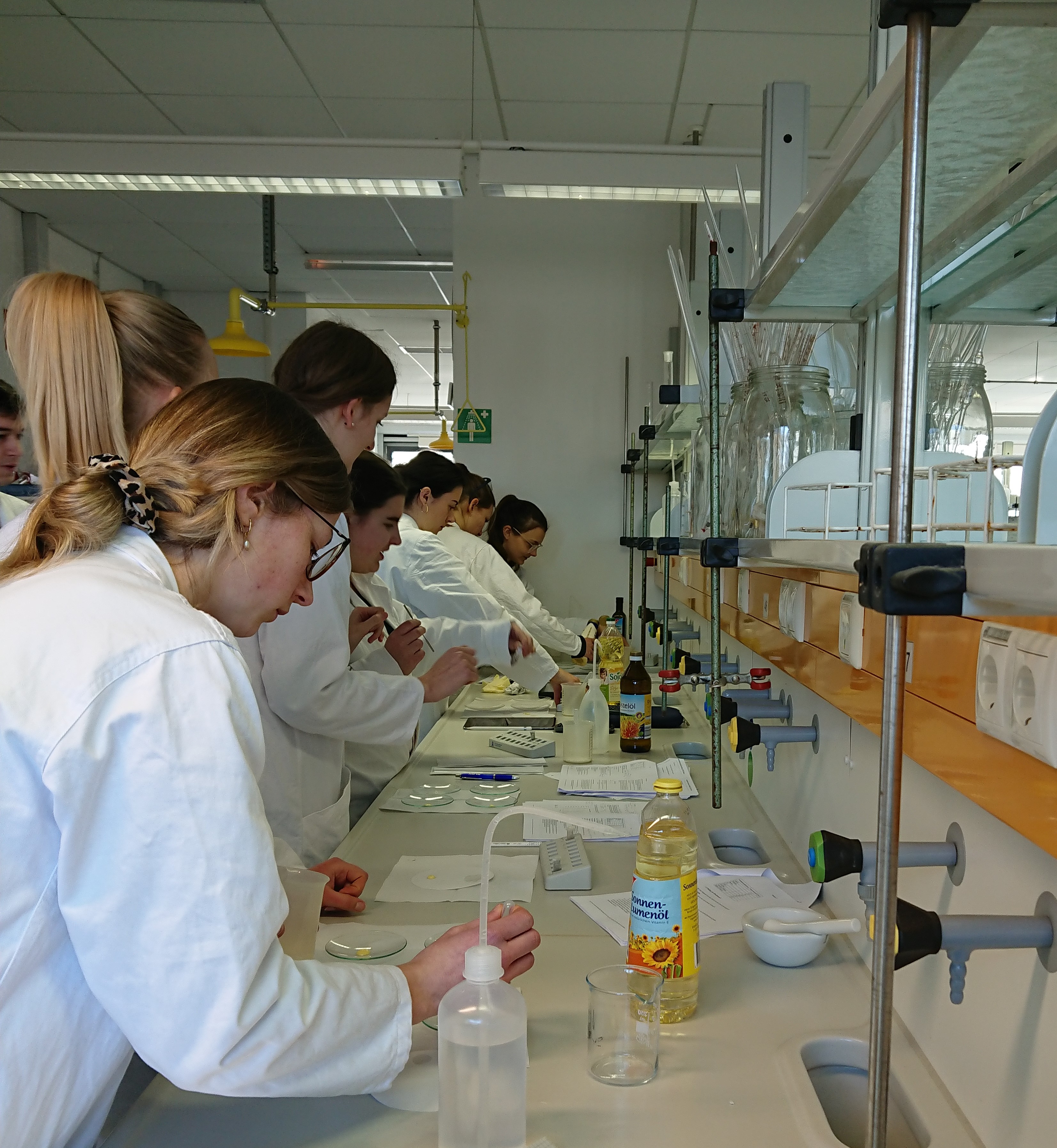
Find out which is the emulsion type of the food formulation!


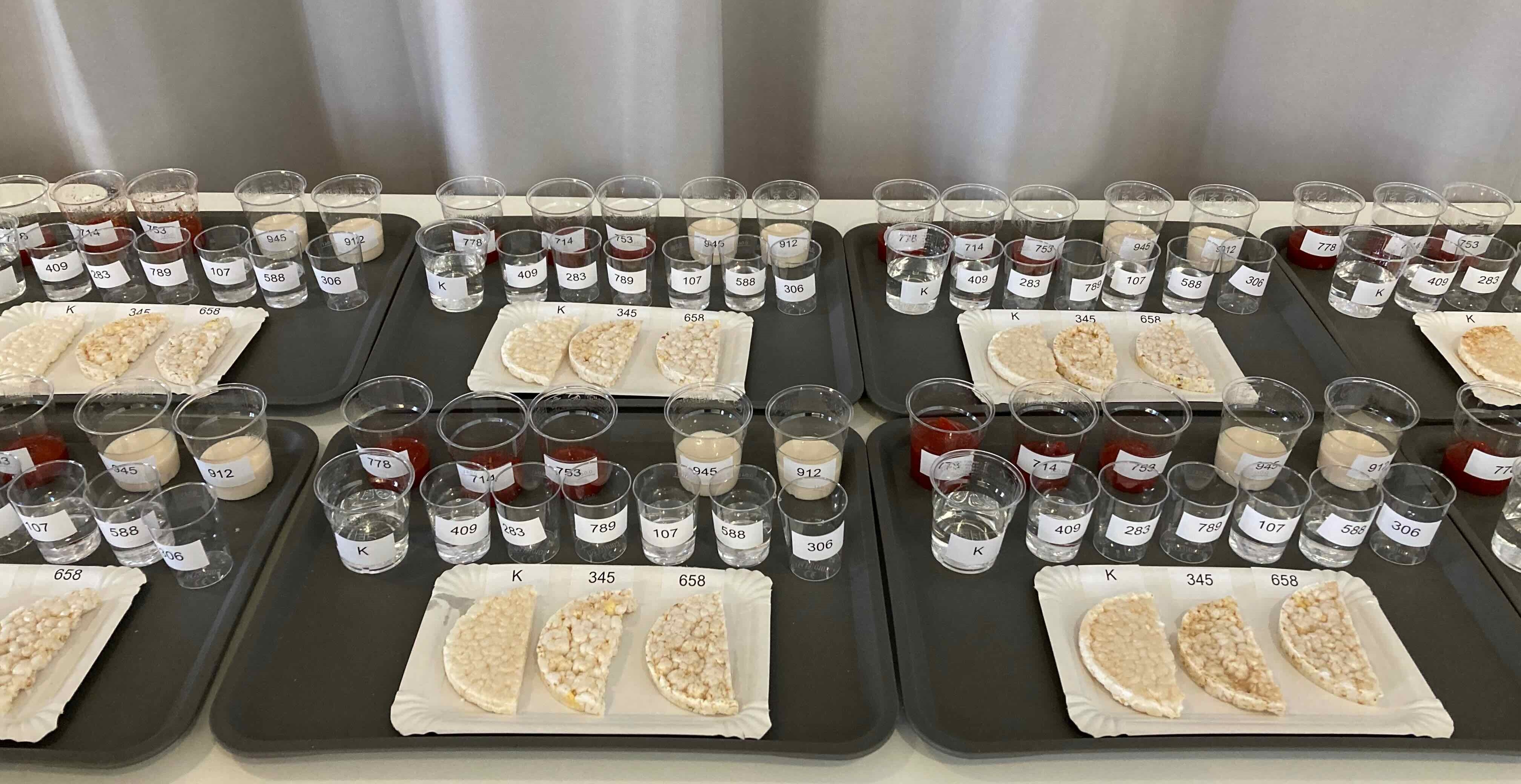
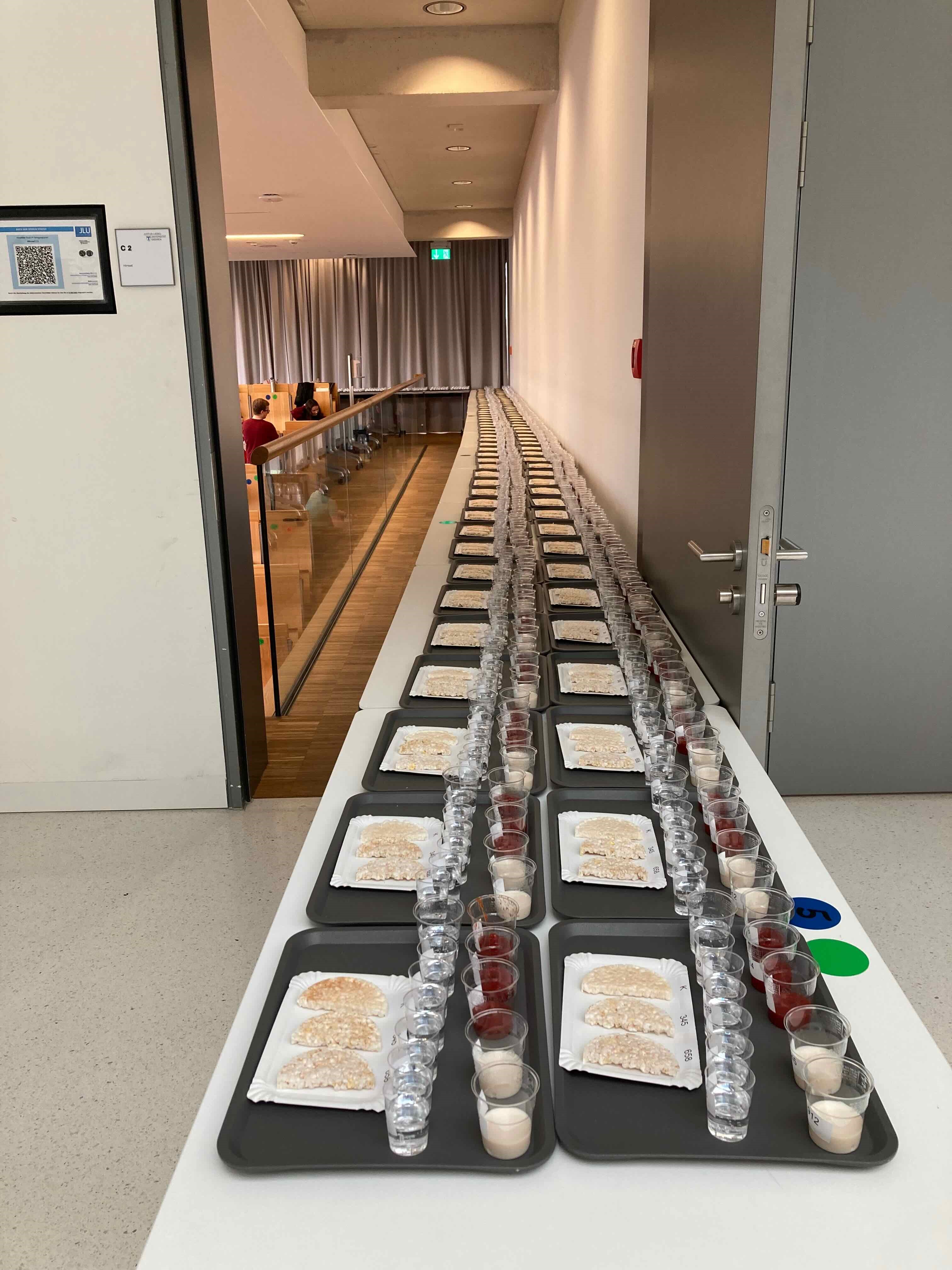
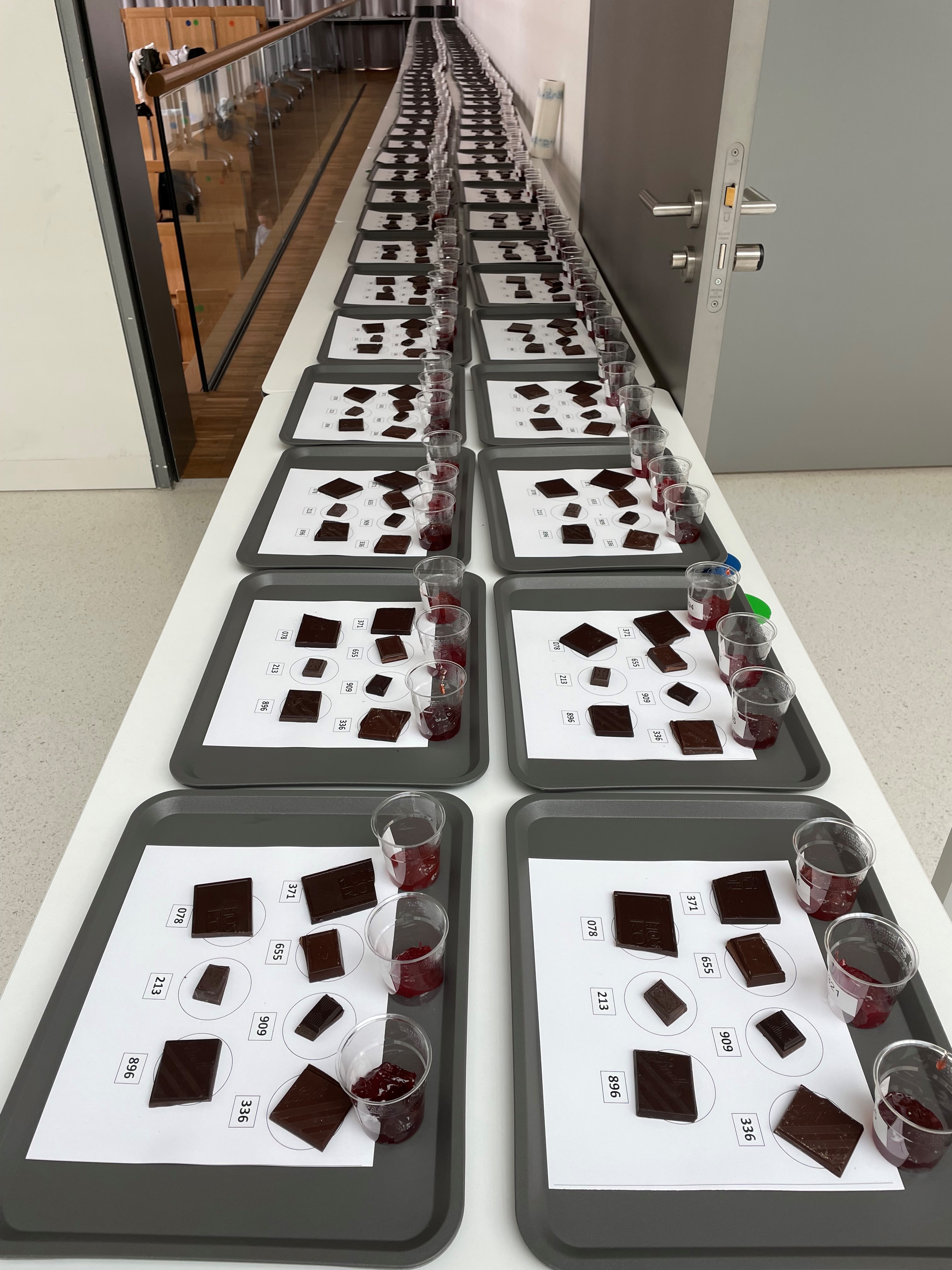
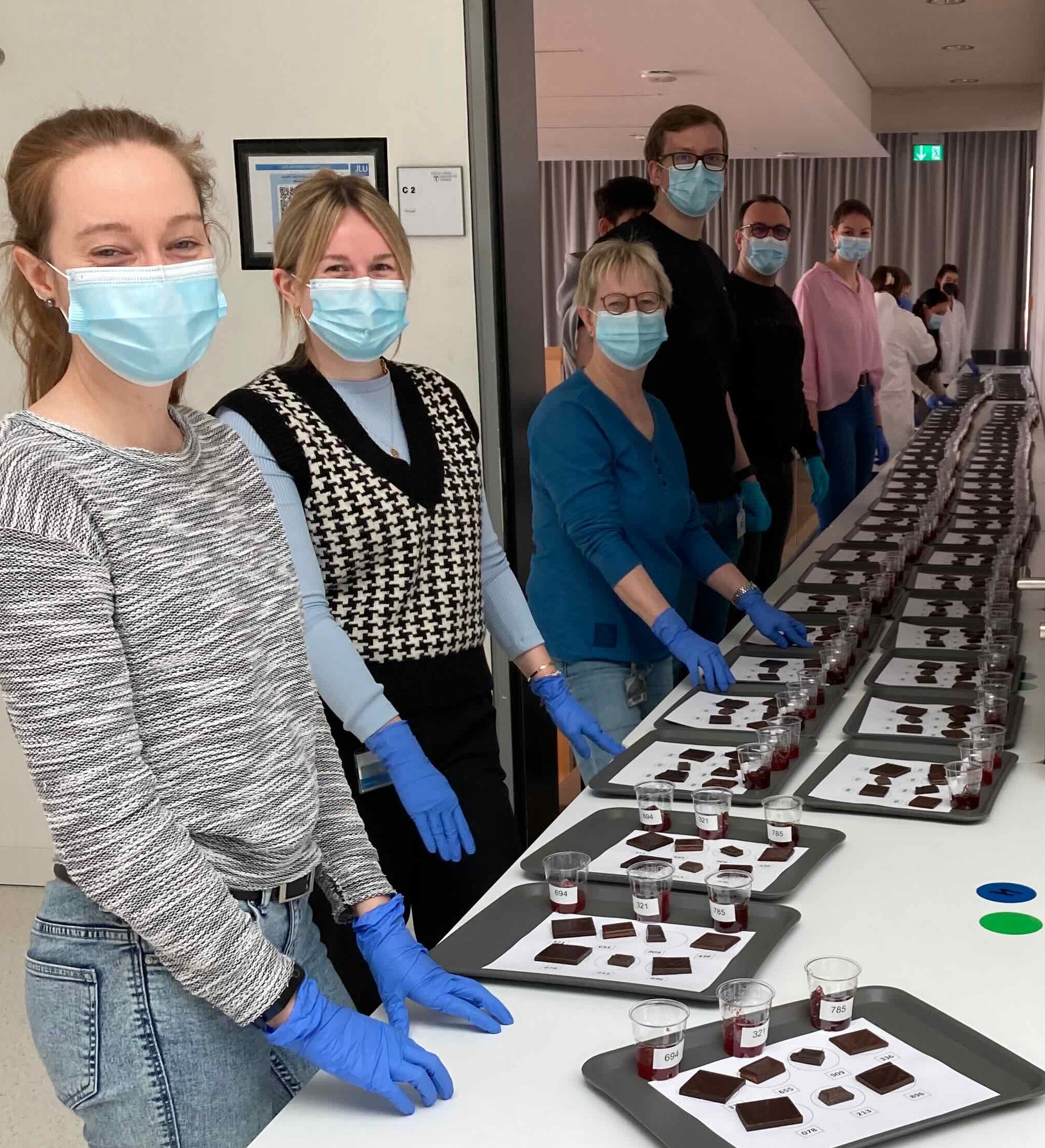
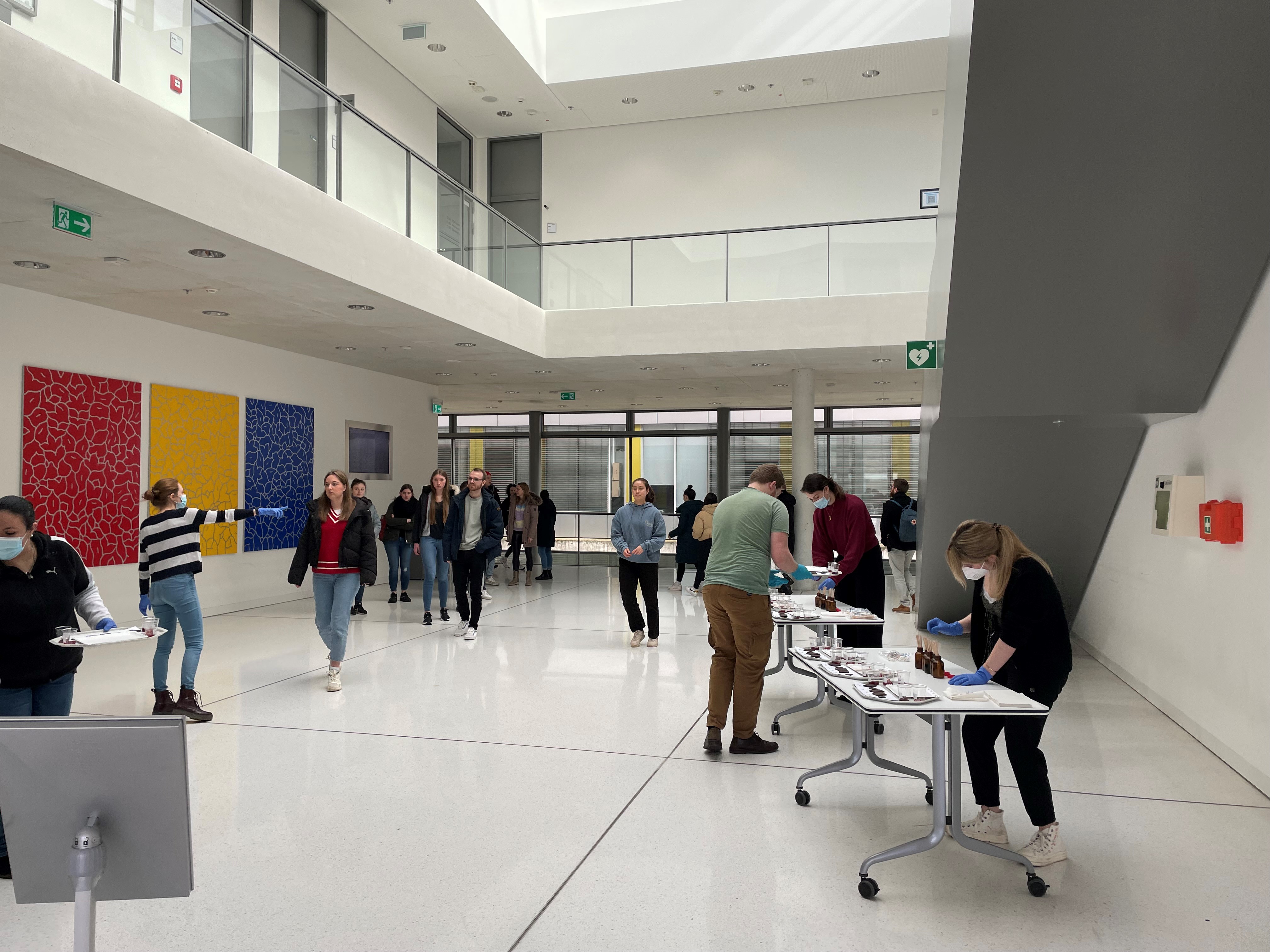
Guidance to the lecture hall with last-minute aroma swabs put on the tray to start directly with the odour test.
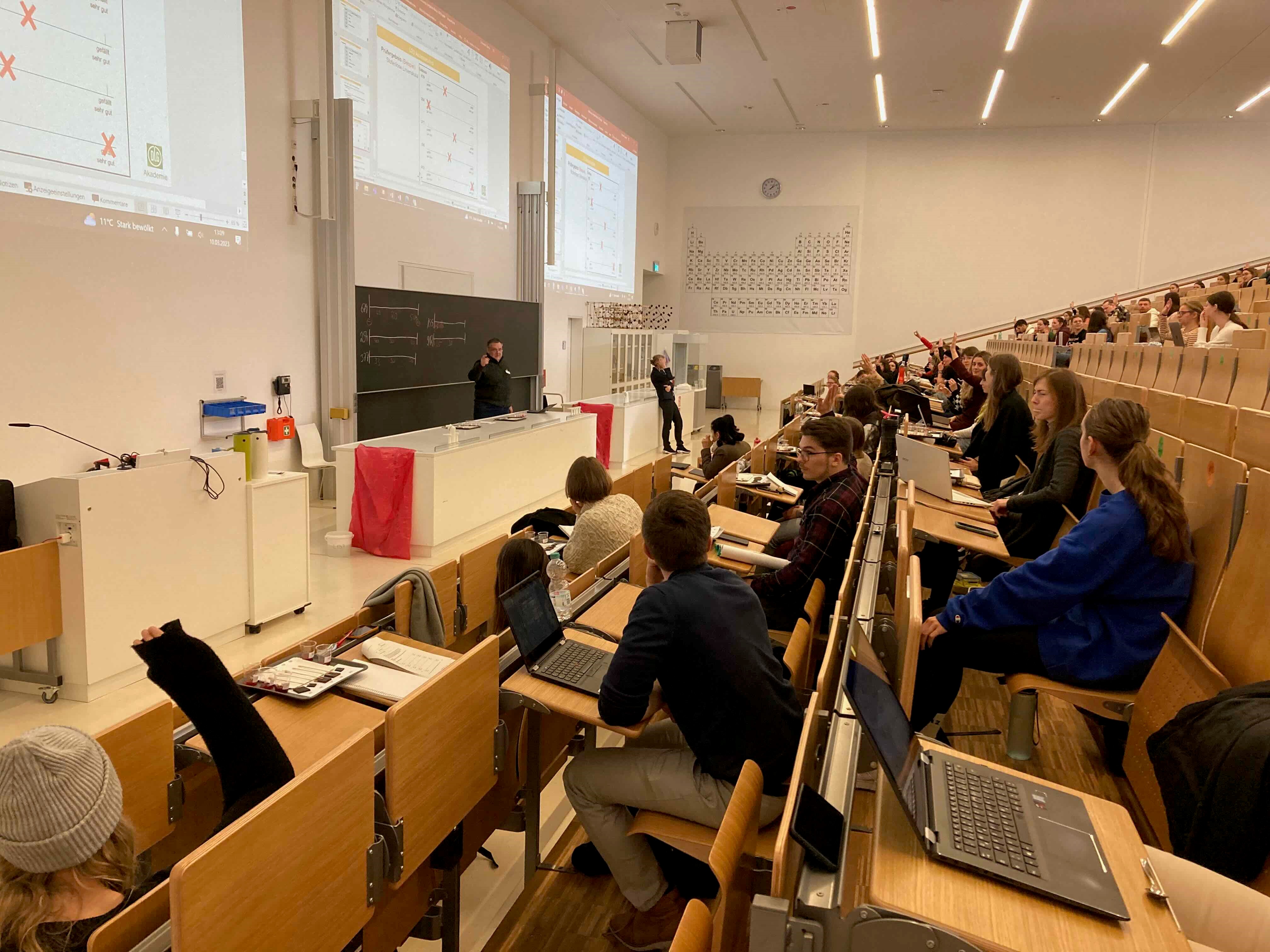
Finally, in the lecture hall, concentration was very high on making the right decisions, which we discussed.
Very sad and unexpected, as I always had the feeling that such a strong woman would stay on earth forever.... We lose an active and extremely productive scientist in our midst, a highly treasured companion in our world of science. Intellectually always on the move, she was a hardworking and dedicated "chromatographer" whose heart beat for planar chromatography. She was a very good female role model in the scientific community. Teresa was not only active in the Department of General Chemistry and Chromatography at the University of Silesia in Katowice, Poland, but has also been one of the founders of the annual chromatographic symposium since 1977. She (co-)organized 42(!) symposia for Chromatographic Methods of Investigating the Organic Compounds in Katowice and surrounding areas with great dedication. She had a warm, hands-on, motherly nature and a winning smile, often garnished with a touch of a nice irony and a winking eye. She always had an opinion or point of view. Discussions with her were entertaining and never long enough, and scientifically, she always made a constructive contribution. It is a great honor to have known her and to have her in our midst, although she left us too early, aged 76. We will remember her very fondly. She will remain in our hearts (and thus on earth) forever.

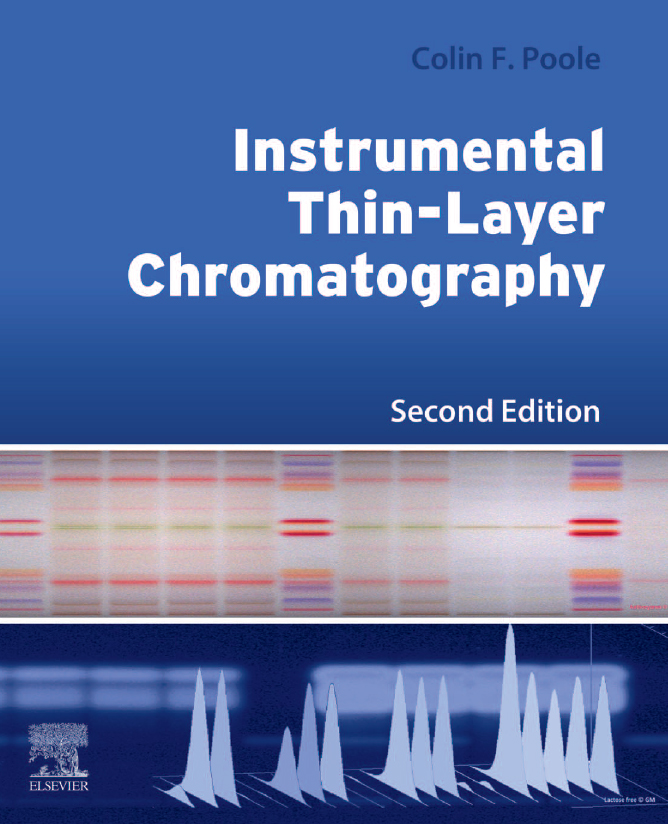
TLC Book
Again, our CHROMarts about anthycyane and lactose-free dairy product analyses are on the cover of the newest TLC book of Colin Poole. We were asked to contribute two book chapters, which we wrote with pleasure!
2014, 1st ed. 2023, 2nd ed.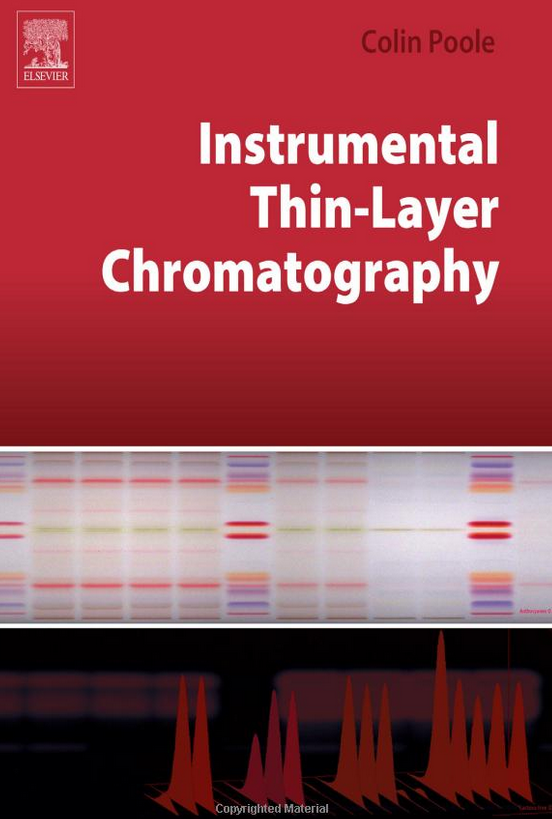
PhD defense on new tools for analysis of probiotic feed additives
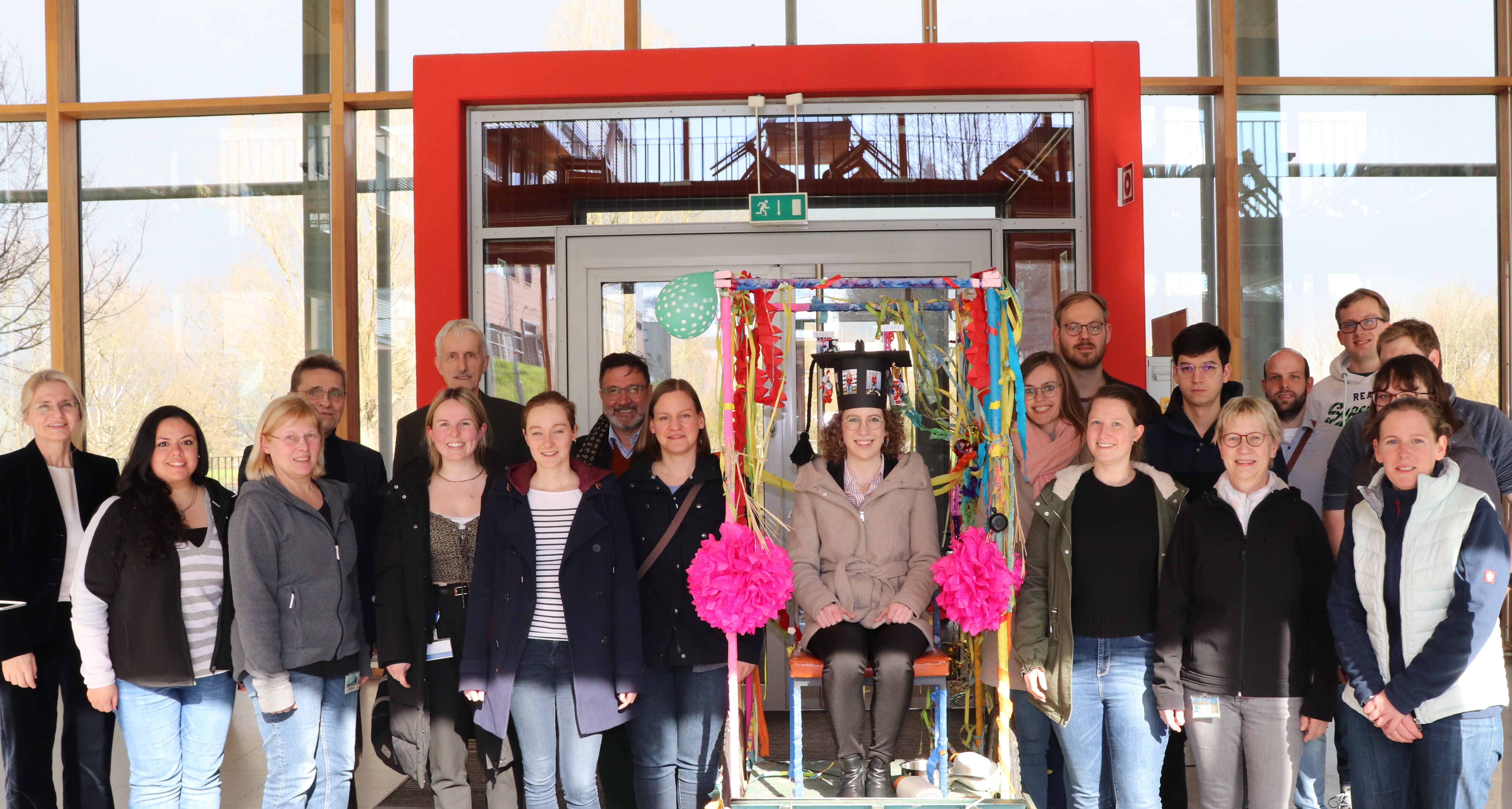
In the cold mid-January, Stefanie Kruse brilliantly defended her cumulative dissertation, Development and comparison of standardized bacterial metabolite profiles by hyphenated planar chromatography for characterization of feed additives and probiotic feeds.
The quantification of added probiotics (very specific bacterial strain) in the complex animal feed matrix has succeeded via specific/selective metabolites! She found the needle in the haystack. The better the analytics, the more we understand relationships and gain new knowledge and insights. It is therefore important to constantly reconsider prevailing analytical strategies and to develop new strategies.

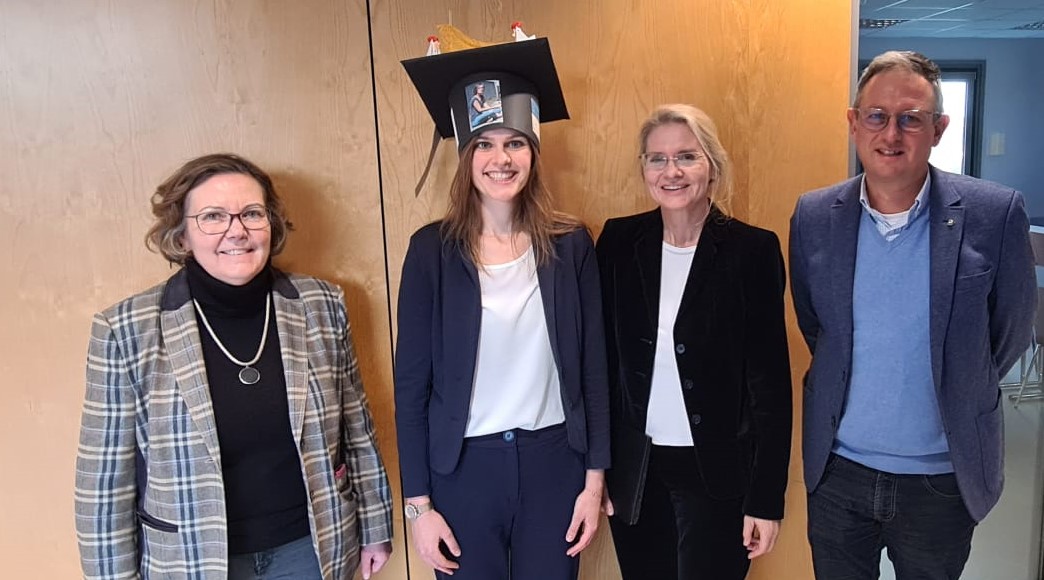
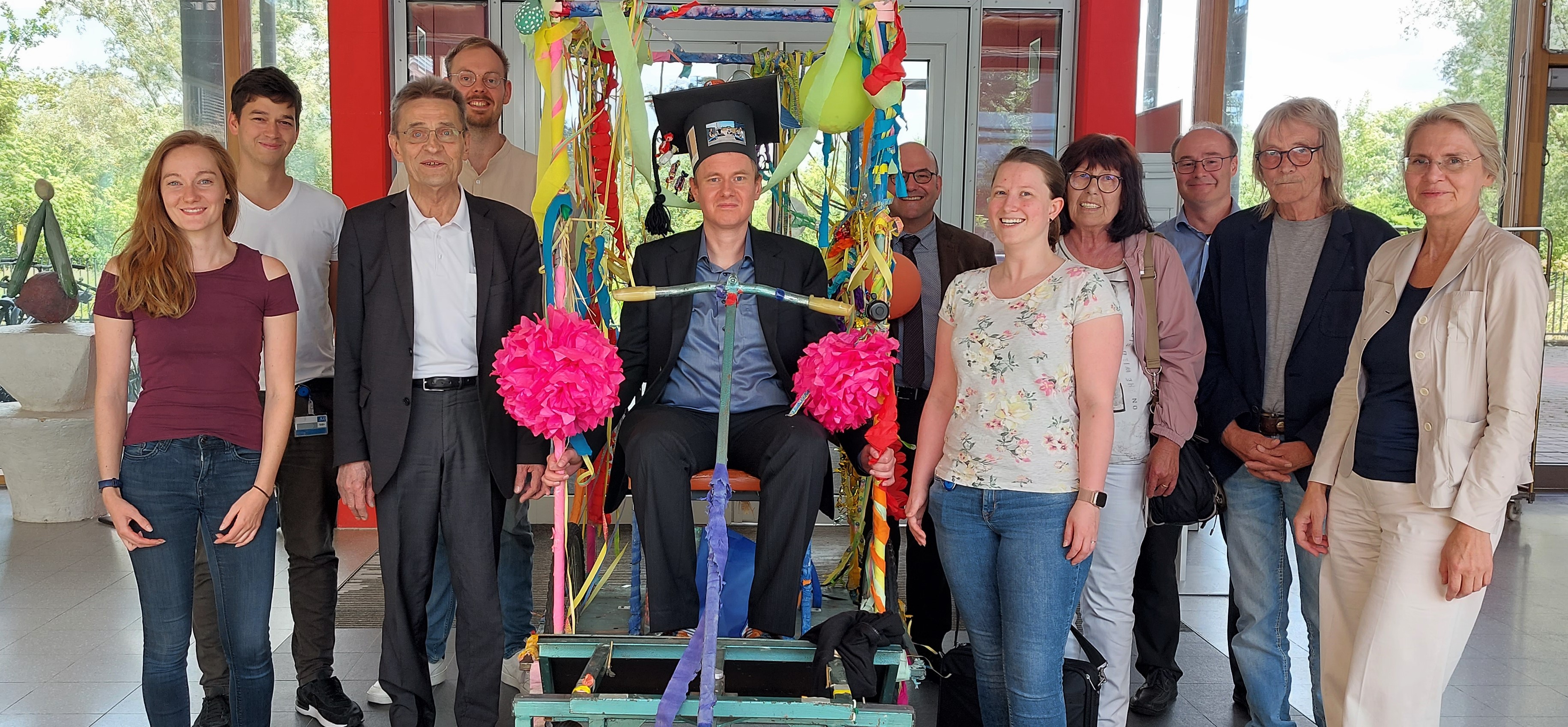
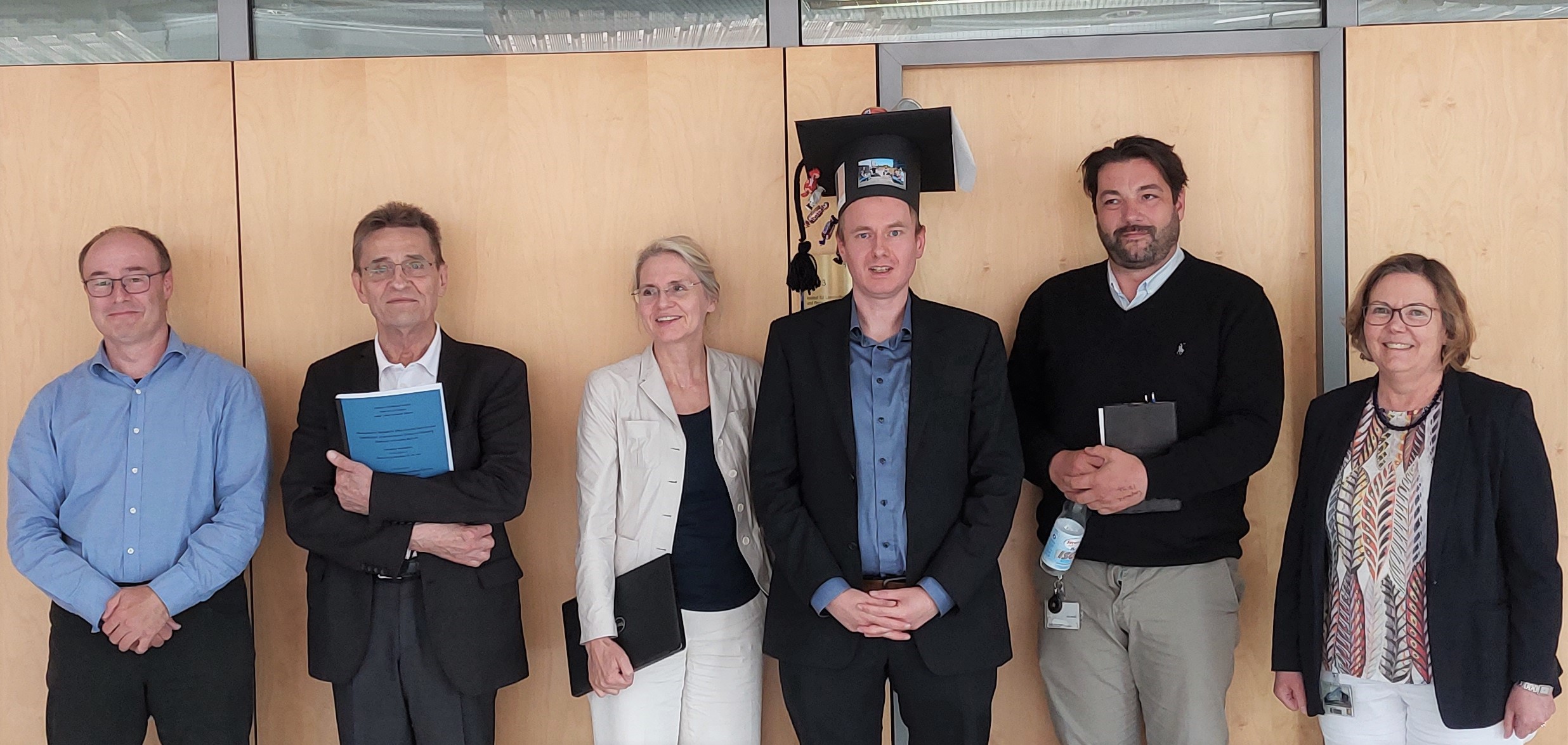
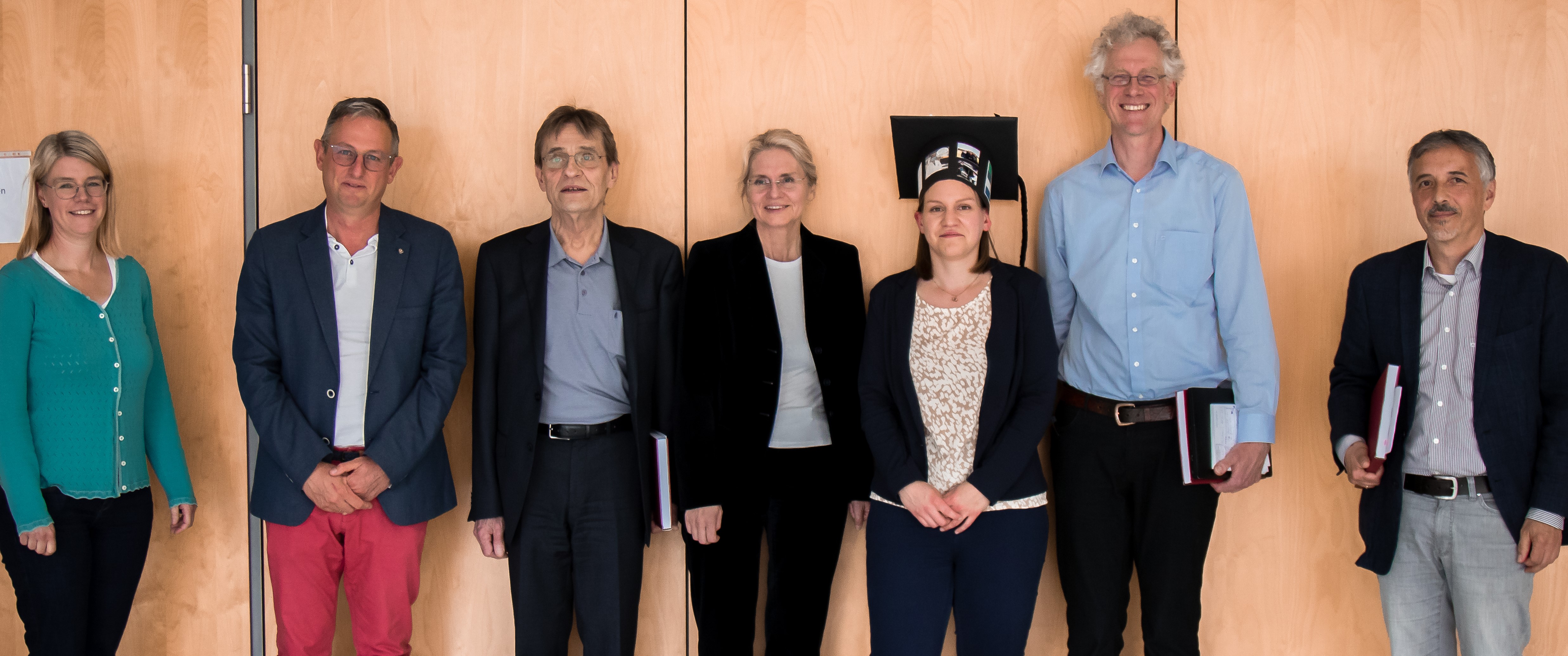
PhD committee members, together with Stefanie Kruse, after the successful defense
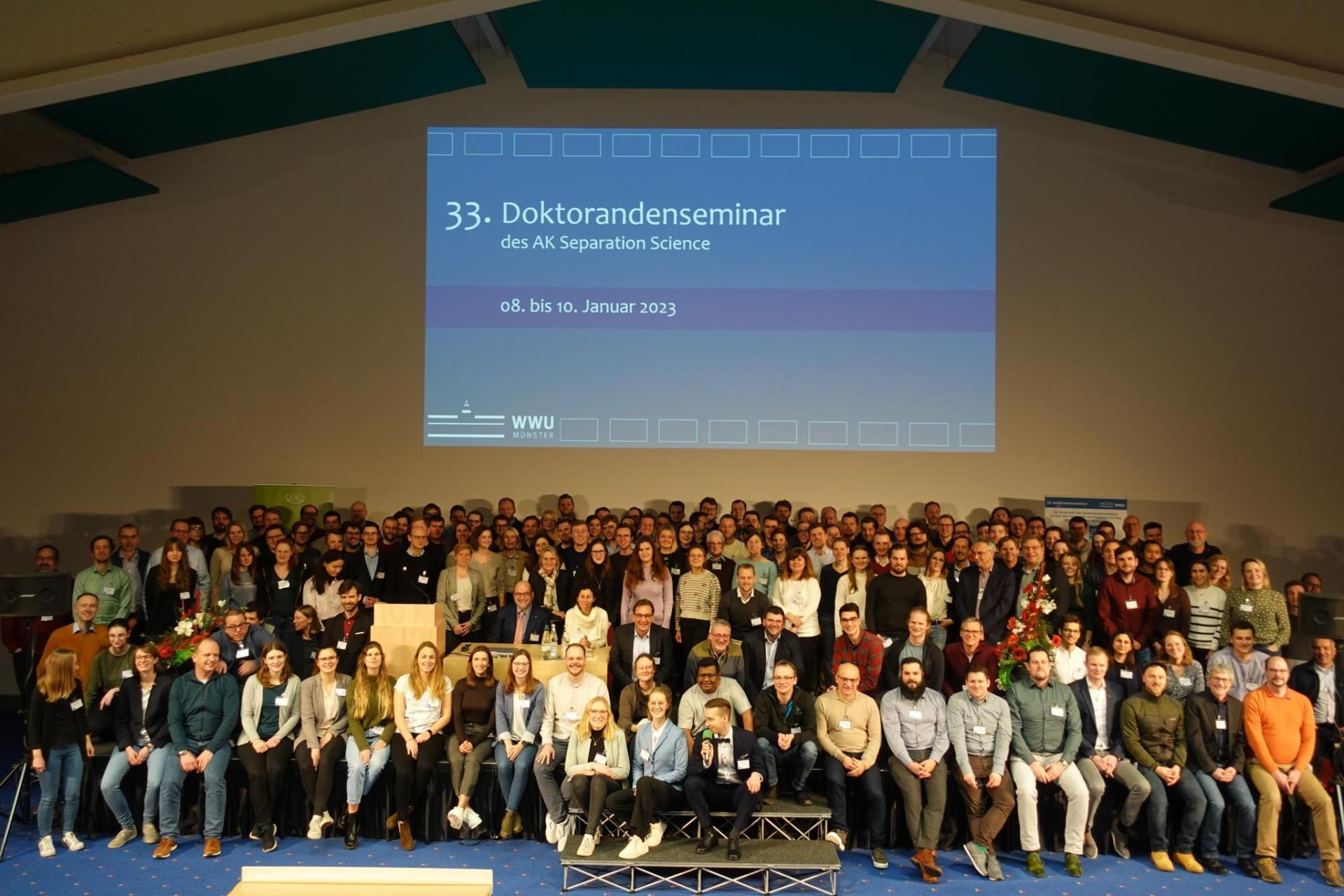
33. Doktorandenseminar
Gleich durchstarten! Kaum ausgekatert (Silvester), schon kommt der erste Vortrag 2LabsToGo – HPTLC für alle nach nicht einmal einem Jahr Promotionsforschung auf dem 33. Doktorandenseminar des Arbeitskreises Separation Science vom 8.–10.1.2023 im Hessen Hotelpark Hohenroda. Kevin Jakob hat es prima gemeistert!

More than 1100 scientific contributions give HPTLC a voice
We study the power of hyphenated HPTLC, independently in a non-profit way, as it is our fundamental task as scientists and researchers at academia. We solve severe challenges and provide advice. Our vision is to produce edge science, taking the metro! HPTLC is also a highly sustainable separation technique. Nothing new, but more trendy now.
- More than 100 guest researchers from over 27 countries joined our group
- About 25 doctoral students trained in HPTLC
- 1600 multiplicator students a year
- Over 100 projects with other academic groups and industries
- Council member of iFZ Research Centre for Biosystems, Land Use and Nutrition
- Mitglied im Zentrum für Nachhaltige Ernährungssysteme (Centre for Sustainable Nutritional Systems)